College of Fisheries Science

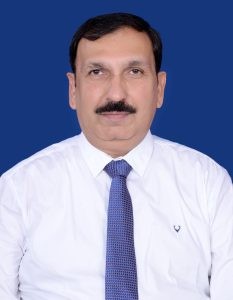
Dr. Nityanand Pandey
Dean, College of Fisheries Science

Dr. Nityanand Pandey

U.P. Pandit Deen Dayal Upadhyaya Pashu Chikitsa Vigyan Vishwa Vidyalaya Evam Go Anusandhan Sansthan
DUVASU, Mathura

Professional Profile

Dr. Nityanand Pandey is a distinguished Fisheries Scientist with about 30 years of professional experience in Fisheries Science, including extension, teaching, research and administration. He has extensive expertise in Fisheries & Aquaculture, particularly Coldwater Aquaculture and promotion of trout farming.

He has served in various academic, research and administrative positions and has guided Master's and Ph.D. scholars in Fisheries and Aquaculture. He has handled institutional and externally funded research projects, published more than 100 research papers and contributed several books, technologies and policy papers.

+ Read Complete Biodata ⌄

BIODATA

Born in district Rampur, U.P. on 10 June, 1969; graduated (BFSc) from College of Fisheries, G.B. P.U.A & T., Pantnagar, in 1992; MFSc and PhD from ICAR-CIFE, Mumbai in 1994 and Gurukul Kangri University, Haridwar (Uttarakhand) in 2005, respectively.

He has about 30 years’ professional experience in Fisheries Science including extension, teaching, research and administration. His professional pursuit started with extension and field work in Krishi Vigyan Kendra. He taught at UG and PG level at College of Fisheries, Pantnagar and contributed to research in the field of Fisheries & Aquaculture as Senior Scientist and Principal Scientist in ICAR system.

He has guided and mentored many master’s students, as well as Ph.D. scholars in the discipline of Fisheries and Aquaculture. He has administrative exposure as Officer-in-charge, Experimental Fish Centre (regional research station), Assistant Director, Instructional Fish Farm, College of Fisheries, Pantnagar, Sectional Head/HoD, Aquaculture & FRM Division, In-charge Project Monitoring & Evaluation Cell, Member Secretary IRC/RAC/QRT, Vigilance Officer, Nodal Officer, SCSP Programme and In-charge Extension Cell at ICAR-DCFR.

He has handled 13 institutional and 12 externally funded research projects including 3 national consultancies. He has more than 100 research papers in referred journals, 5 books, 7 certified technologies/products including 3 commercialized technologies and 3 policy papers.

He has international exposure in Thailand and Nepal for molecular assisted fish breeding & trout fish culture. He has been conferred the Vice-Chancellor Medal for B.F.Sc., Junior Research Fellowship for pursuing M.F.Sc. (Fisheries), Young Scientist Award and Gold Plated Medal 2002, Netcon Environmental Conservation Award 2002, Senior Young Scientist Award 2004 by Nature Conservators (India), and Fellow of Natural Science & Culture (FNSC), 2011.

He was a team member of the Chaudhary Devilal Outstanding All India Co-ordinated Research Project (ICAR) Award 2012. He received Fellowship of Coldwater Fisheries Society of India, 2019, and Prof. M. C. Dash Medal for outstanding Research & Academic by Zoological Society of India, 2017.

Government of Sikkim recognised him for commendable work in promotion of Trout farming in the State. He has done fish biodiversity assessment of the rivers and streams of J&K, Uttarakhand and Himachal Pradesh under the Cumulative Environmental Impact Assessment (CEIA) studies of Hydro Electric Projects conducted by MoEFCC, Government of India on River Yamuna, Tons and its tributaries, Sutlej basin and Alaknanda river and fish biodiversity of river Kosi and Ramganga.

He identified potent indigenous/local fish species of food and ornamental value and developed the breeding and culture protocol for 7 indigenous fish species. This was an effort to explore new candidate species for coldwater aquaculture and diversification based on indigenous species.

For the first time, he developed a protocol for triploidy induction in three cultivable fish species. He has expertise in Coldwater Aquaculture, particularly for promotion of trout farming.

★
Current Position

Joined as Dean, College of Fisheries Science, DUVASU, Mathura on 7 Sept. 2024.
About

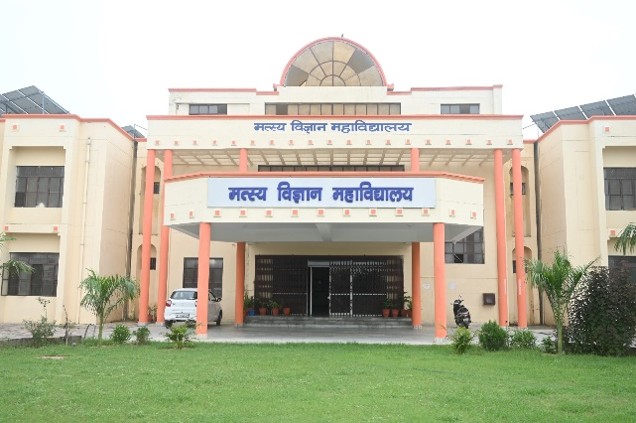
About the College

College of Fisheries Science

The College of Fisheries Science was established in the academic session 2024-25 with the objectives of imparting quality education in fisheries and aquaculture, undertaking basic and applied research in fisheries, and developing competent human resources to meet the growing requirements of the fisheries sector.

The College is equipped with essential facilities for teaching, research, practical training, and experiential farm-based learning. It has seven well-equipped departments, established in accordance with the recommendations of the ICAR- Deans’ Committee, as follows:

Departments

1
Department of Aquaculture AQC
2
Department of Fisheries Resource Management FRM
3
Department of Aquatic Animal Health Management AAHM
4
Department of Aquatic Environment Management AEM
5
Department of Fish Processing Technology FPT
6
Department of Fish Engineering FE
7
Department of Fisheries Extension, Economics & Statistics FEES
All departments are supported by qualified faculty members and modern laboratory facilities for teaching, research, practical training, and skill development. The College has an Instructional Fish Farm equipped with a carp hatchery and fish production ponds. The facility provides students with hands-on experience learning and field exposure in fish breeding, seed production, aquaculture practices, fish farm management, and sustainable fisheries production.

Instructional Fish Farm

The College has an Instructional Fish Farm equipped with a carp hatchery and fish production ponds. The facility provides students with hands-on experience learning and field exposure in fish breeding, seed production, aquaculture practices, fish farm management, and sustainable fisheries production.

Academic Programmes

The College offers the following academic programmes:

UG

Bachelor of Fisheries Science (B.F.Sc. Hons.)

Four-Year Undergraduate Programme

A four-year undergraduate degree programme conducted in accordance with the ICAR Sixth Deans' Committee recommendations. The programme has been offered from the academic session 2025-26.

PG

Master of Fisheries Science (M.F.Sc.)

Minimum Four-Semester Programme

A minimum four-semester postgraduate degree programme, being offered from the academic session 2026-27, in accordance with the BSMA-2021 regulations of ICAR, as amended from time to time.

Commitment to Sustainable Fisheries Development

Through its integrated approach to education, research, practical training, extension, and skill development, the College is committed to preparing skilled fisheries professionals and researchers and contributing to sustainable fisheries, aquaculture development, aquatic biodiversity conservation, and the socio-economic development of fishing and farming communities.

CENTRAL INSTRUMENTATION FACILITY

CENTRAL INSTRUMENTATION FACILITY

Central Instrumentation Facility

The Central Instrumentation Facility of the College of Fisheries Science, DUVASU, Mathura was set up in March 2026, providing centralised access to essential laboratory instruments for teaching, practical training, and research in fisheries.

The facility serves as an important academic and research support unit, enabling students and faculty to perform basic molecular biology and analytical procedures.

Purpose: To provide centralised, well-maintained instrumentation support for laboratory-based teaching, practical training, and research activities across all departments of the College.

List of Instruments at the Central Instrumentation Facility

S. No. Instrument Quantity/No. Brief Use/Application
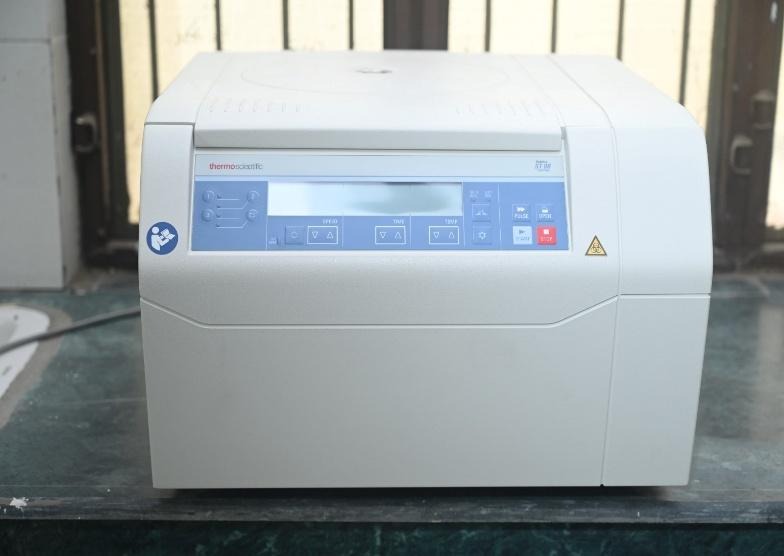
1. Refrigerated Centrifuge 01 Used for separation of cells, tissues, nucleic acids, proteins, and other biological components.
2. Thermocycler (PCR Machine) 01 Used to amplify specific DNA sequences.
3. UV Transilluminator 01 Used to visualise DNA bands in agarose gels.
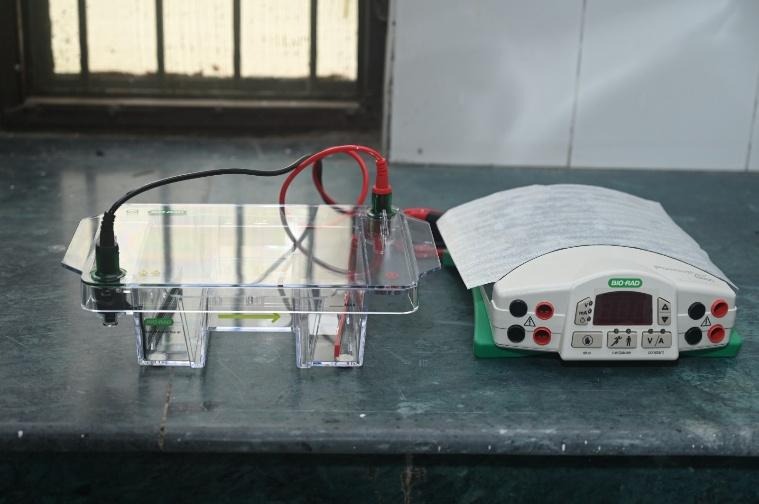
4. Gel Electrophoresis Unit 01 Used for separation and analysis of DNA, RNA, or proteins based on their size and electrical charge.
5. Gel Documentation System 01 Used for capturing, documenting, and analysing electrophoresis gel images and band patterns.
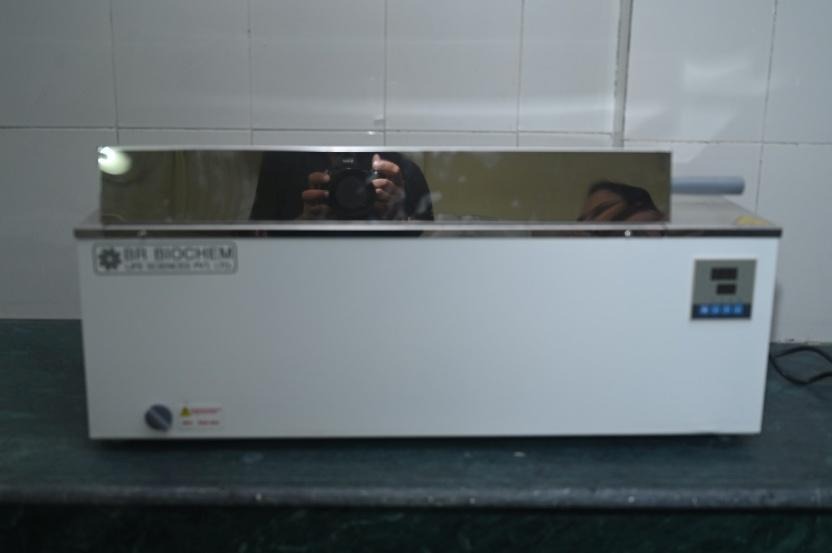
6. Water Bath 01 Used for controlled-temperature incubation, sample preparation, enzyme reactions, and other laboratory procedures requiring uniform heating.
7. Deep Freezer 01 Used for long-term storage and preservation of biological samples and reagents.
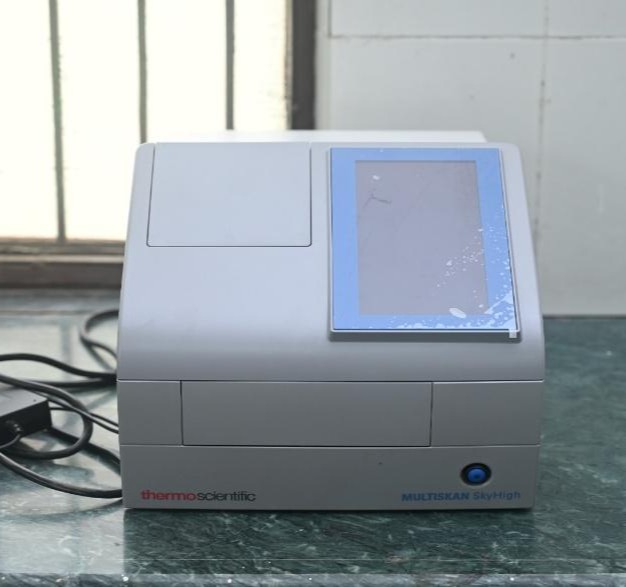
8. Spectrophotometer Multiscan 01 Used for quantitative and qualitative analysis of biological samples.
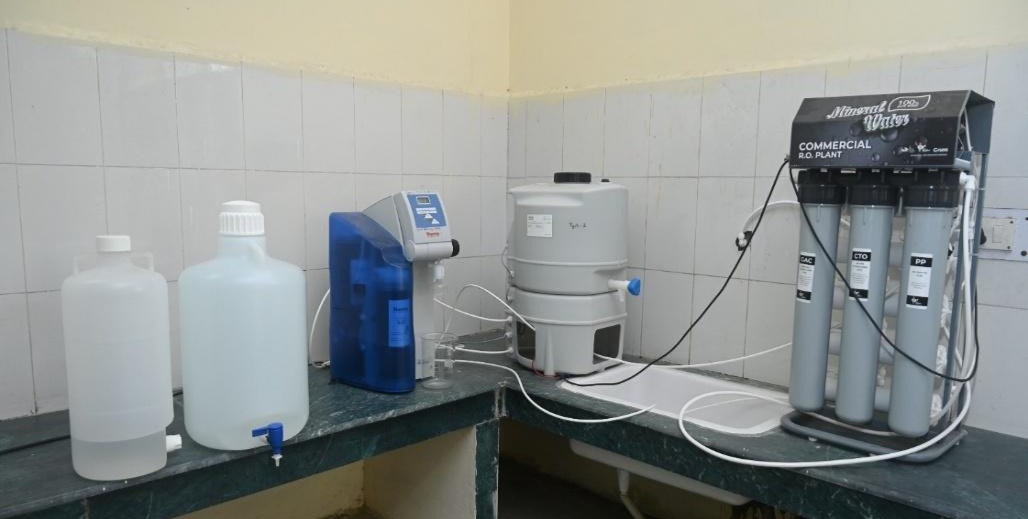
9. Milli-Q Ultrapure Water Purification System 01 Used for producing high-purity ultrapure water suitable for sensitive laboratory applications.

Facility Gallery

Facility In-charge

SM
In-charge, Central Instrumentation Facility

Mrs. Sakshee Maurya

Asst. Professor (AQC)

Supporting Quality Research & Training

Through centralised access to well-maintained laboratory instrumentation, the Central Instrumentation Facility strengthens teaching, practical training, and research capabilities across the departments of the College of Fisheries Science, contributing to the development of skilled fisheries professionals and quality scientific outcomes.

Beyond the classroom

Activities

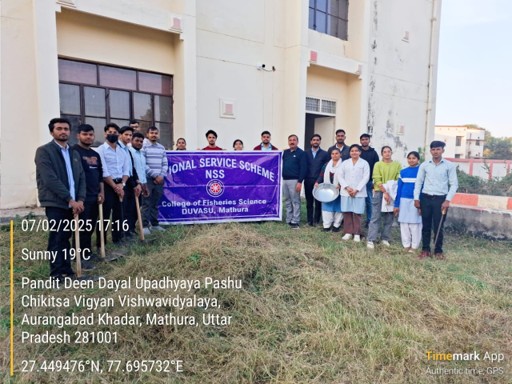
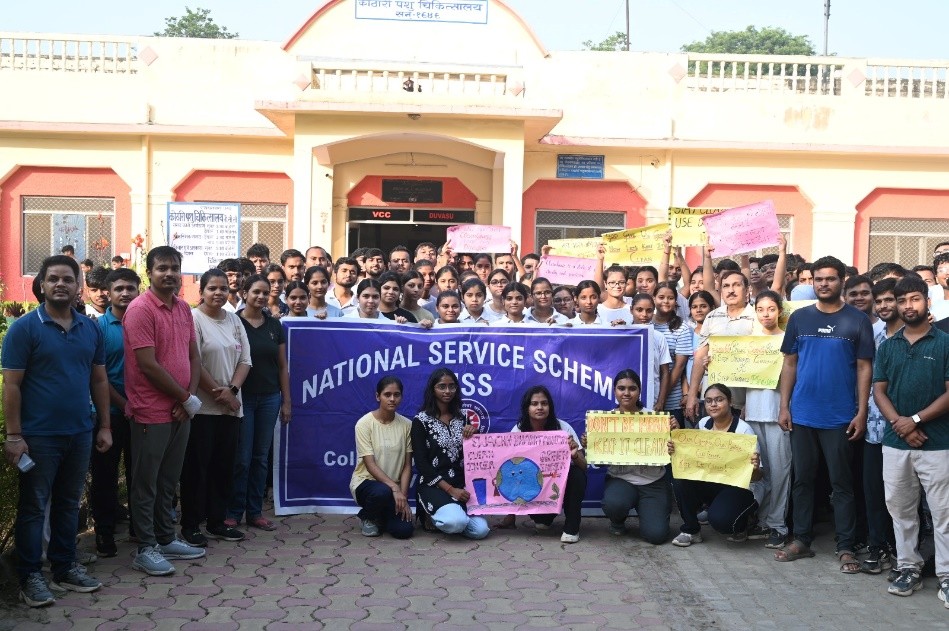
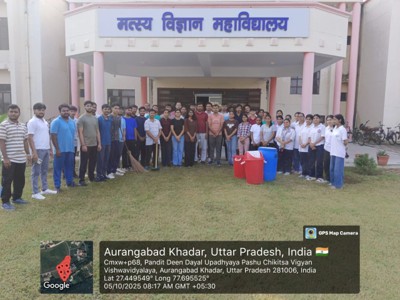
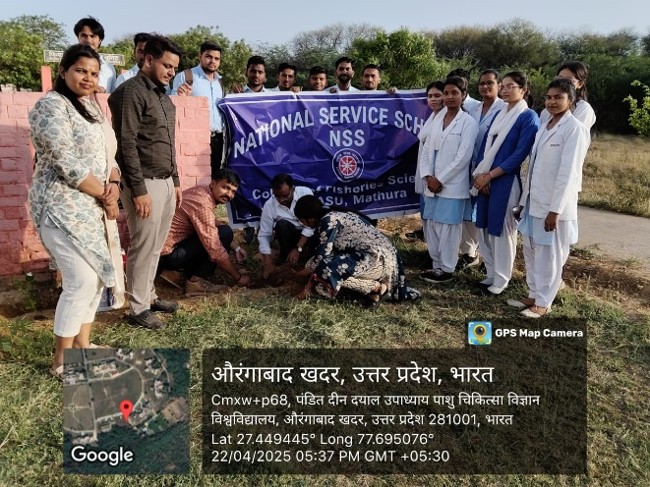
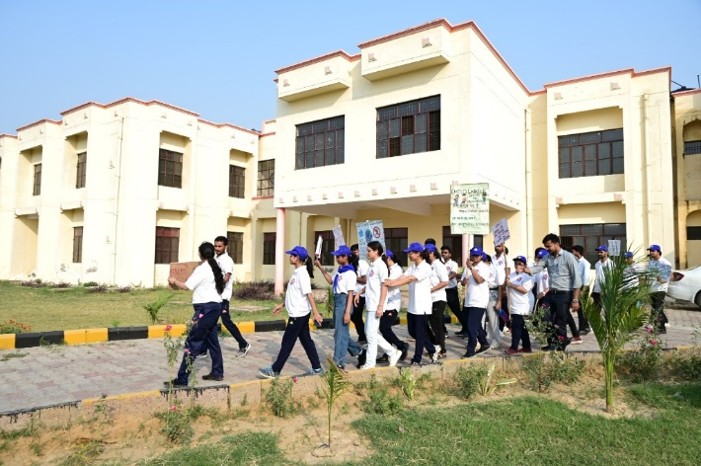
National Service Scheme (NSS)

  • National Service Scheme (NSS)

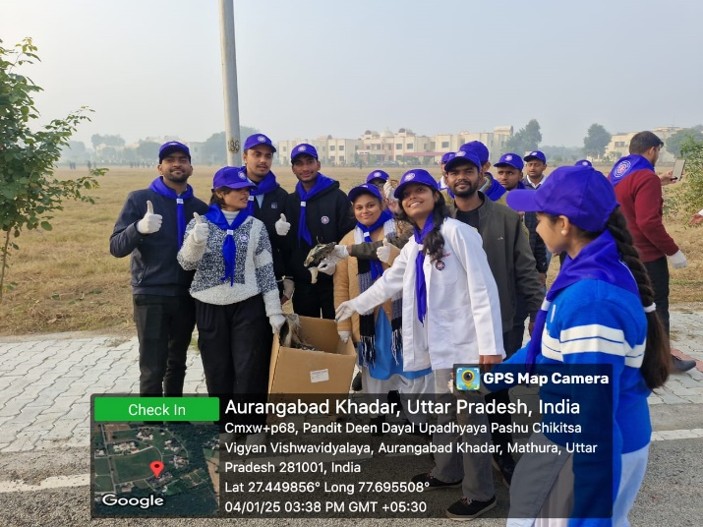
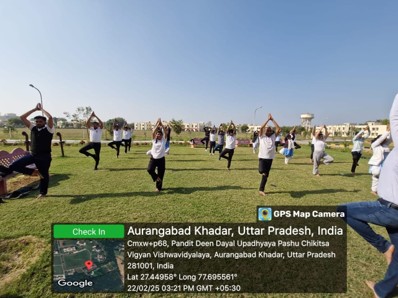
    The National Service Scheme (NSS) is a Central Sector Scheme of Government of India, Ministry of Youth Affairs & Sports. NSS was launched in 1969 in 37 Universities with 40,000 volunteers which has now increased to 657 Universities and 51 +2 Councils/Directorates, covering 20,669 Colleges/ Technical Institutions and 11,988 Senior Secondary School. Over 7.4 crore students have benefitted from NSS.

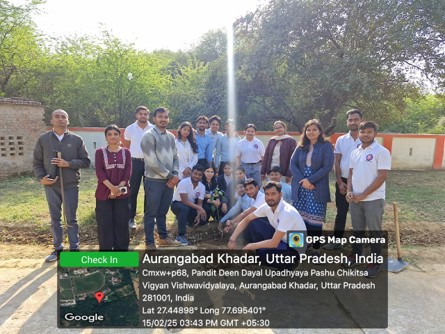
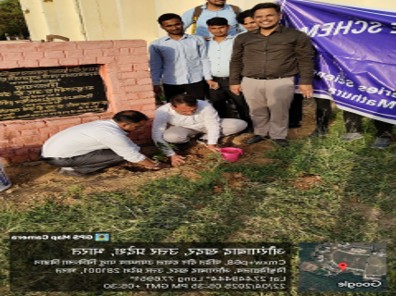
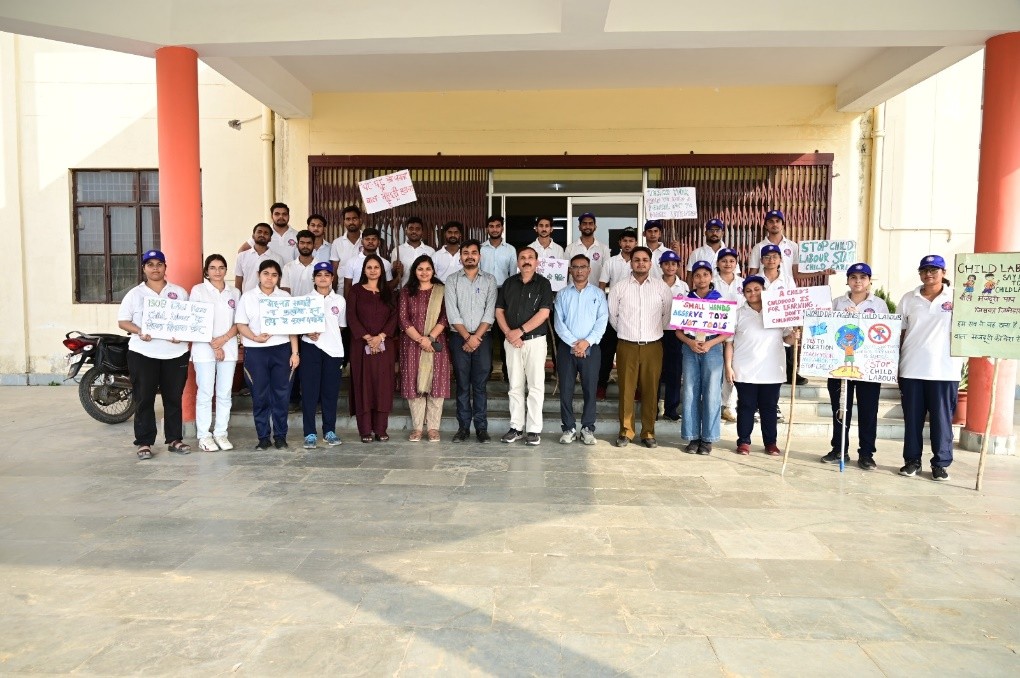
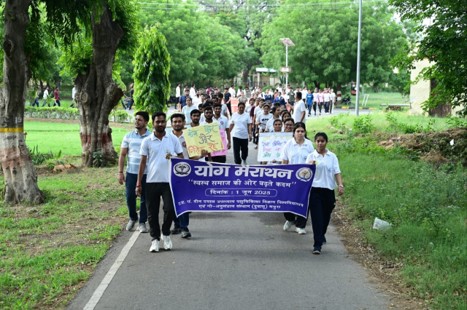
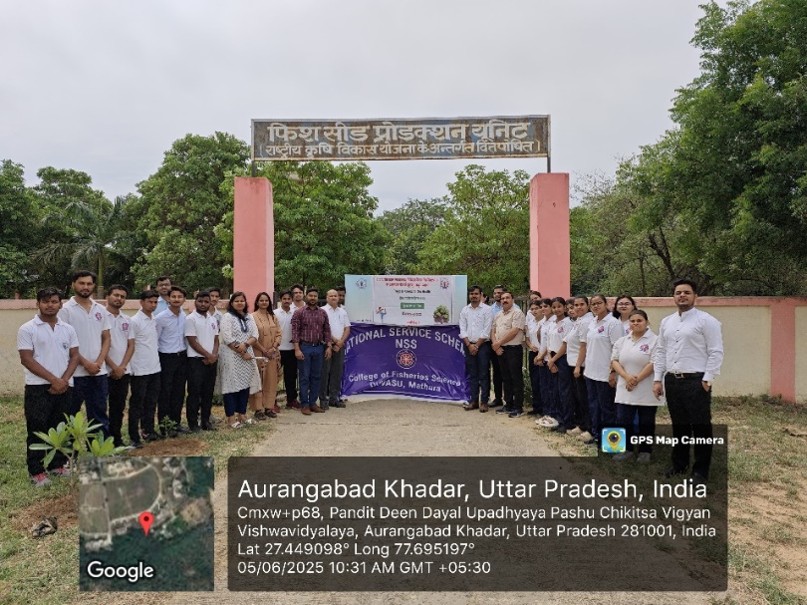
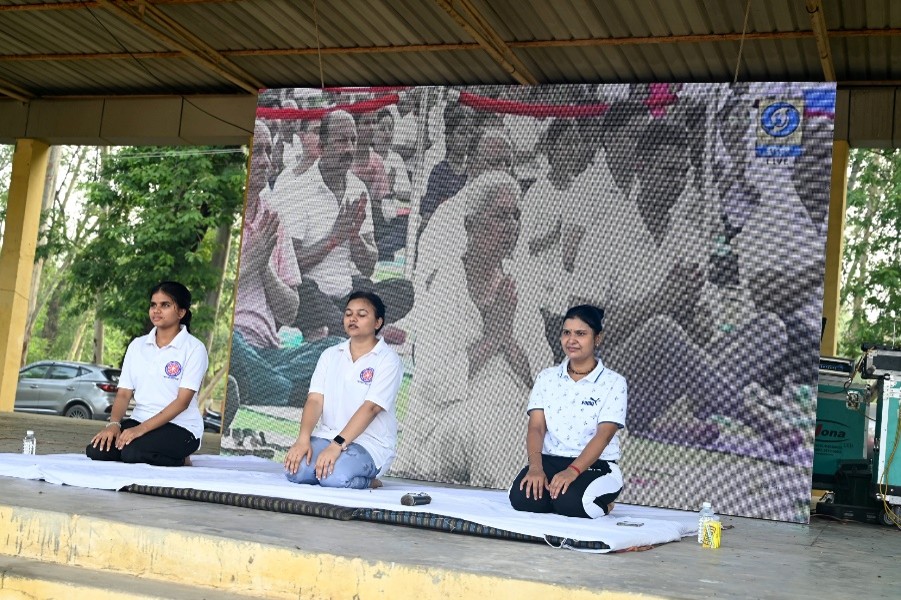
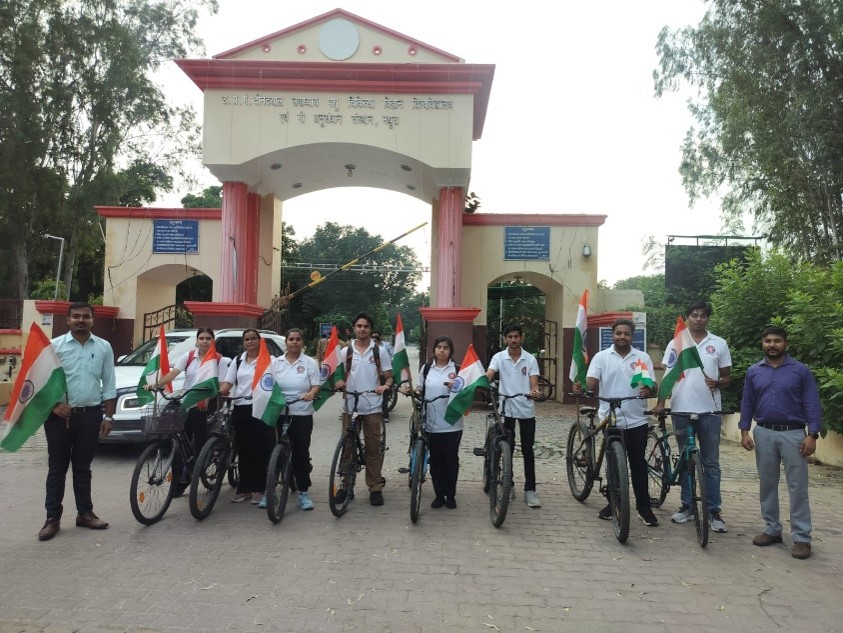
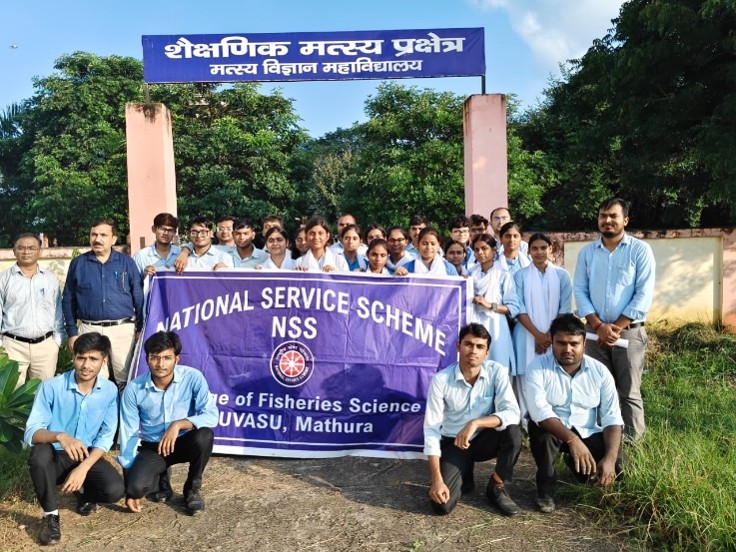
    The college also has its own NSS (National Service Scheme) unit to promote community service activities and programmes among students. The main objective behind this unit is to engage youth in voluntary community services for personality and character development.

    Objectives

    The motto behind NSS is NOT ME BUT YOU which reflects the essence of democratic living and upholds the need for selfless service.

    The Motto

    “NOT ME BUT YOU”

    Major Activities

    Students are involved in different activities under NSS which include:

    • Education
    • Health, Family Welfare & Nutrition
    • Environment Conservation, Social Service Programmes
    • Cleanliness Drives
    • Programmes for improving status of Women
    • Relief and Rehabilitation during Natural Calamities
    • Production Oriented Programmes
    • National Integration Camp
    • Adventure program
    • Republic Day Parade Camps
    • National Youth festivals etc.

    NSS Programme Officer of College of Fisheries Science

    AS
    NSS Programme Officer

    Mr. Ambrish Singh

    Assistant Professor (Department of Fisheries Resource Management)

    College of Fisheries Science, DUVASU.

    ambrish(dot)singh(at)upvetuniv(dot)edu(dot)in